Why These Workshops Matter
Sigulda and Cēsis aren't random choices for textile preservation. These medieval towns sit at the heart of Latvia's craft tradition, and the workshops here aren't tourist attractions. They're living classrooms where real skills transfer from experienced craftspeople to the next generation.
Walk into one of these spaces and you'll notice something immediately — it doesn't feel commercial. You'll see people of all ages bent over looms, needles clicking steadily, conversations happening in both Latvian and English. That's the whole point. These workshops exist because someone decided traditions shouldn't disappear.
What Happens Inside
The workshops operate on a simple model. You don't need experience. You don't need expensive supplies. Most places provide everything — looms, yarn, needles, pattern guides. What you bring is patience and genuine interest.
Sessions typically run 2-3 hours, and instructors work with groups of 4-8 people. That means real individual attention. If you're struggling with tension on the loom, someone notices and helps immediately. If you nail a complex pattern, they celebrate it with you.
Core Techniques Taught
- Traditional Latvian brocade weaving
- Cimdu raksti (mitten pattern) design and execution
- Natural dye preparation and application
- Hand-spinning with traditional methods
- Linen processing from flax
The Sigulda Location
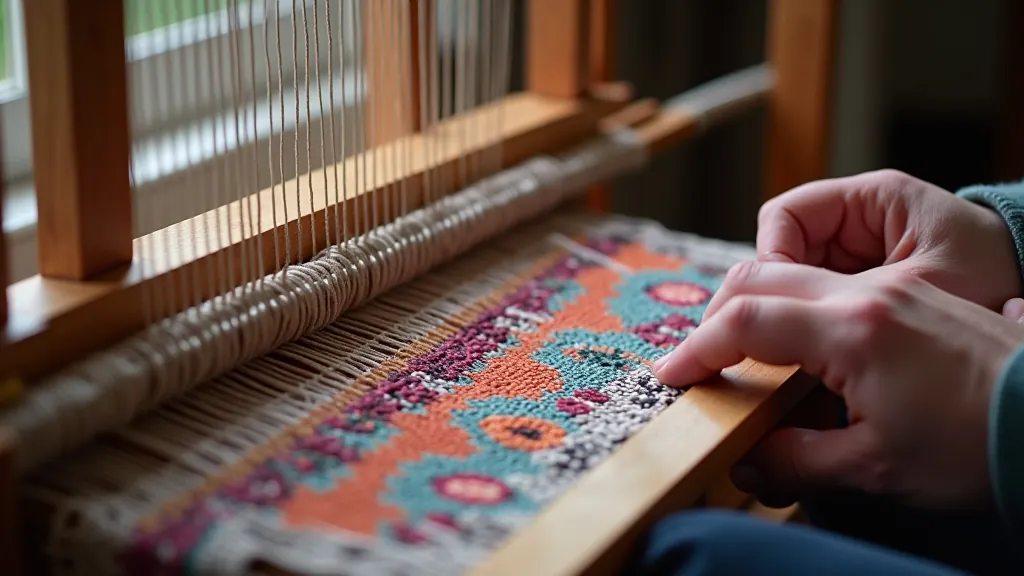
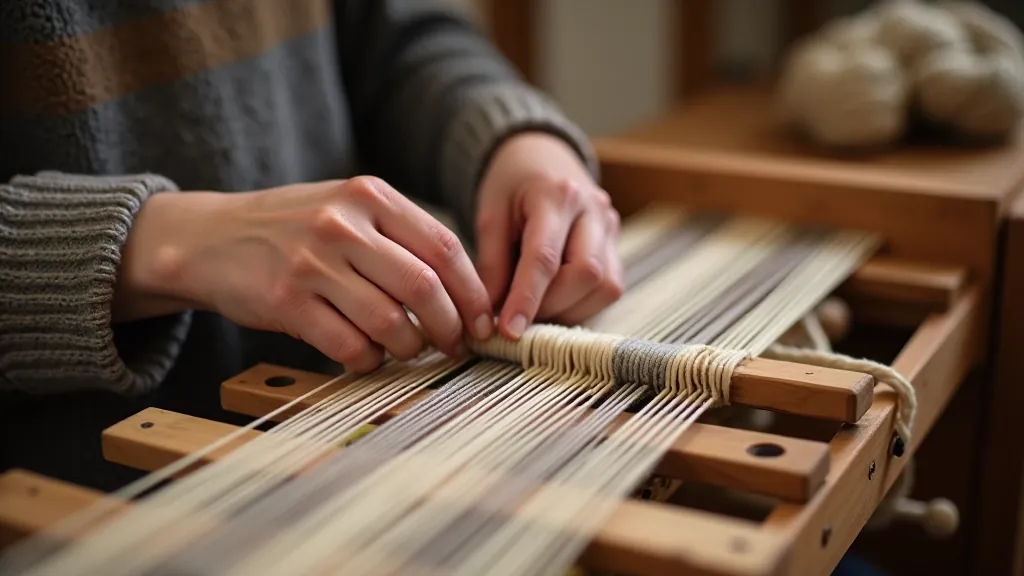
Sigulda's workshop sits in a restored 19th-century building overlooking the Gauja River valley. It's intentional — the setting matters. Working with textiles isn't just technical skill. It's about connecting to something older than yourself.
They've got 8 traditional looms, spindles for hand-spinning, and shelves lined with natural dyes prepared from plants — madder root, weld, woad. You'll actually understand where colors come from. Not from bottles. From earth.
The instructors there aren't just knowledgeable. They're genuinely excited when someone grasps the rhythm of the loom or successfully executes their first complex pattern. It's not performance. It's authentic passion for the craft.
Cēsis: A Different Approach
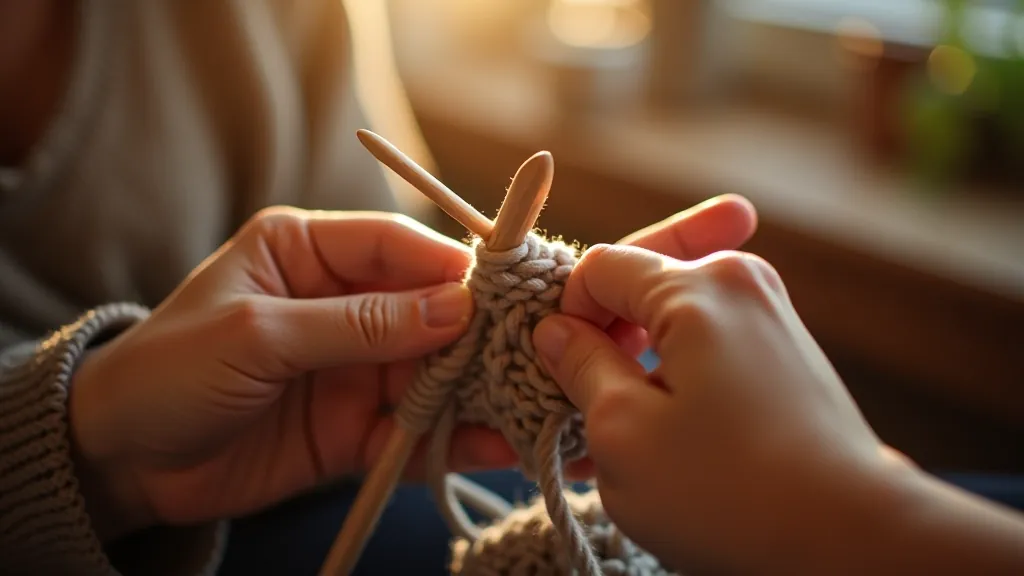
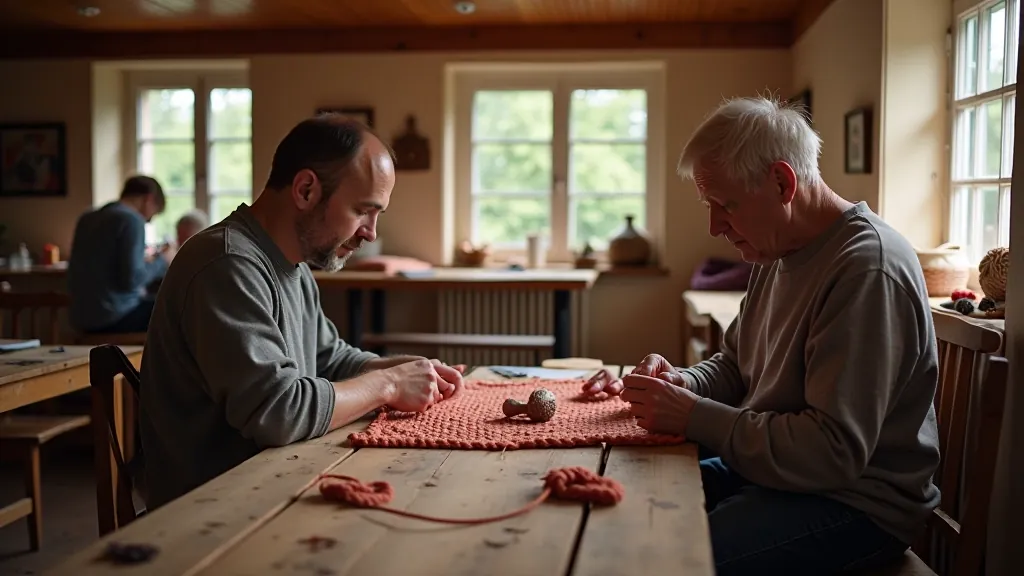
Cēsis takes a slightly different angle. While Sigulda focuses on looms and large-scale weaving, Cēsis emphasizes hand techniques — knitting, crochet, embroidery. The space itself is smaller, more intimate. You're working at a table, and the person next to you is too.
This matters because it changes the learning dynamic. You see exactly how someone's fingers move. You can ask "Wait, show me that again?" and they do. It's like apprenticeship, but compressed into afternoon sessions.
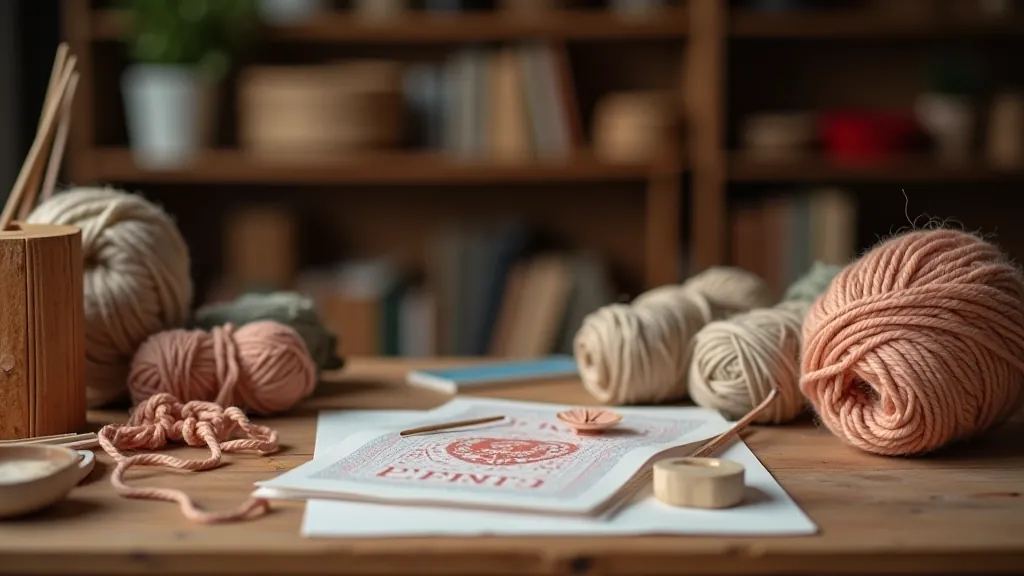
The Cēsis workshop also maintains a small archive of pattern books dating back generations. Worn pages, handwritten notes in the margins, stains from decades of use. You don't just learn from them — you handle history. That shifts your perspective about what you're doing.
Who Actually Goes
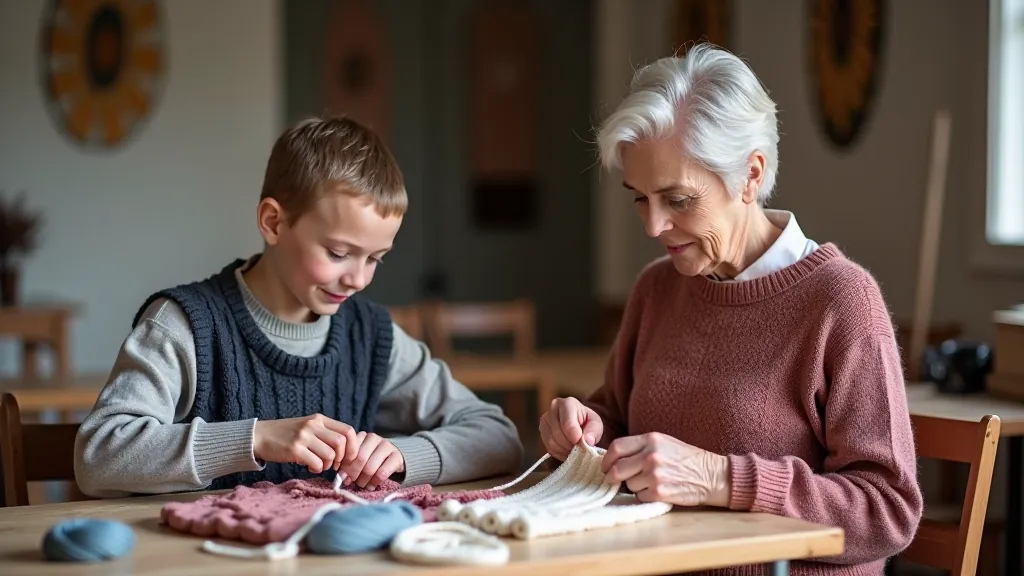
You'll see grandmothers teaching their granddaughters. Retired professionals picking up a skill they abandoned decades ago. International visitors who found the workshop online. School groups on field trips. Single people looking for community.
There's no pretense. Everyone's learning. Everyone's making mistakes. The patterns are complex enough that even experienced weavers sometimes have to rip back rows and start again. That's the culture — progress matters more than perfection.
"I came thinking I'd try it once. That was three years ago. Now I'm here almost every week. The techniques are real, the community is genuine, and honestly, I needed this."
— Jānis, workshop regular
Why This Preservation Actually Works
These workshops aren't museums. They're not frozen in time. They're living, evolving spaces where tradition meets the present moment. That's why they succeed where purely historical approaches sometimes fail.
Sigulda and Cēsis have cracked something important: making old skills valuable to new people without losing authenticity. You're learning what your ancestors knew, using methods that haven't fundamentally changed, but in a setting that makes sense for today.
If you're anywhere near these towns, walk in. Spend an afternoon. The worst that happens is you create something beautiful with your hands and leave with sore fingers. The best that happens is you discover something you didn't know you were looking for.
Educational Note
This article provides informational content about textile workshops in Latvia. Workshop details, schedules, instructors, and specific programs may vary and change over time. For current information about specific workshops, class schedules, materials costs, and registration details, we recommend contacting the workshops directly or visiting their official websites. Local tourism boards in Sigulda and Cēsis can also provide updated information about textile heritage programs in the area.