Starting to knit feels overwhelming. You see photos of intricate patterns and wonder how anyone keeps track of all those stitches. But here's the truth: your first project doesn't need to be complicated. It needs to be something you can actually finish.
We're going to build a simple scarf using Latvian wool. It's warm, it supports local producers, and the repetitive motion of basic stitching is actually meditative once you get the rhythm down. Most people complete this project in 10-14 days of casual practice.
Picking the Right Needles and Yarn
Your needles and yarn need to work together. If you use thin needles with thick yarn, you'll be fighting the whole time. The needle size should match your yarn weight — this is printed on every ball of yarn.
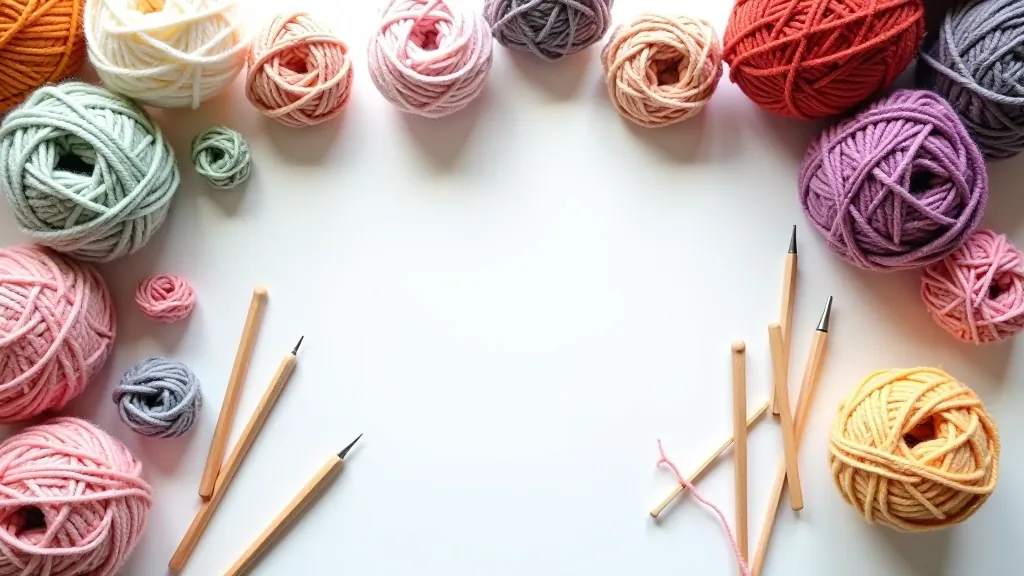
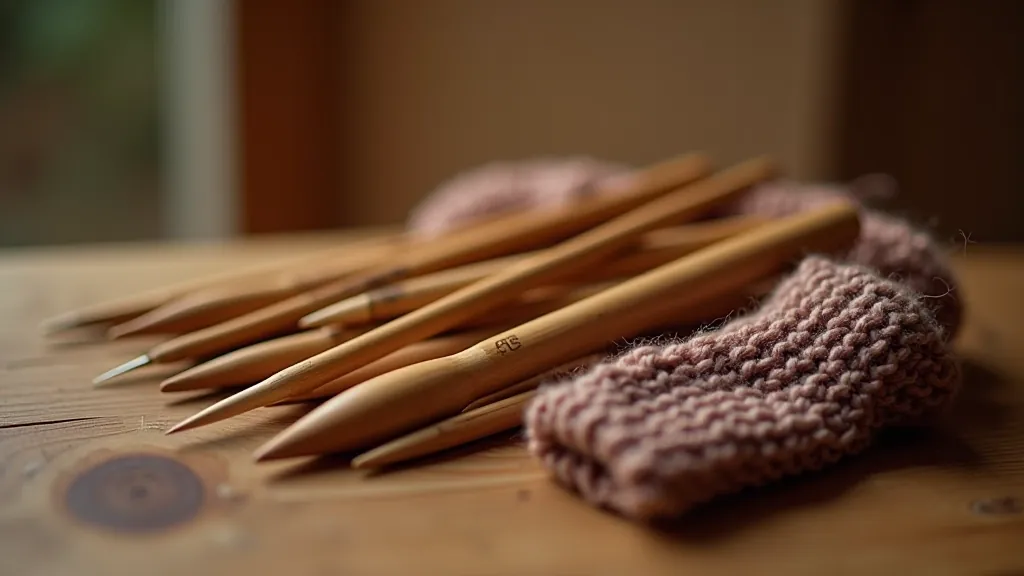
For a beginner scarf, we recommend size 6-8 needles with worsted weight yarn. Worsted is thick enough that you can see your stitches clearly, which means fewer dropped stitches and less frustration. Latvian mills produce excellent worsted weight yarn in natural colors — creams, soft grays, warm browns.
Buy needles that are at least 10 inches long. Anything shorter makes it hard to keep stitches. Bamboo needles are ideal for beginners — the slight texture grips the yarn better than metal, so stitches won't slip off as easily. You'll want one needle in size 6 or 7 for practice.
The Cast-On: Your Starting Point
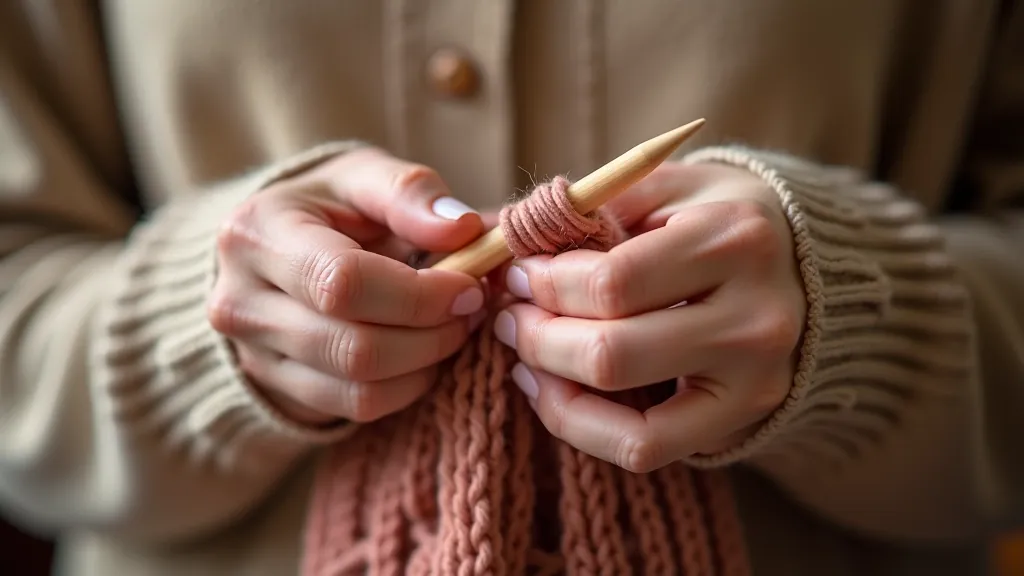
Casting on creates your first row of loops. There are many methods, but we're using the long-tail cast-on. It takes practice, but once it clicks, it becomes automatic.
You'll measure out about three times the width you want your scarf to be. For a 6-inch-wide scarf, that's roughly 18 inches of yarn. Make a loop, put your needle through, and start pulling yarn through to create those first stitches. Don't worry if your first few look messy — they'll tighten up as you work.
Most scarves need 30-40 cast-on stitches. At that width, you're looking at about 2-3 hours of casting on, depending on your speed. Yes, it's repetitive. But it's the foundation, and rushing it makes everything else harder.
Your First Stitches: Garter Stitch
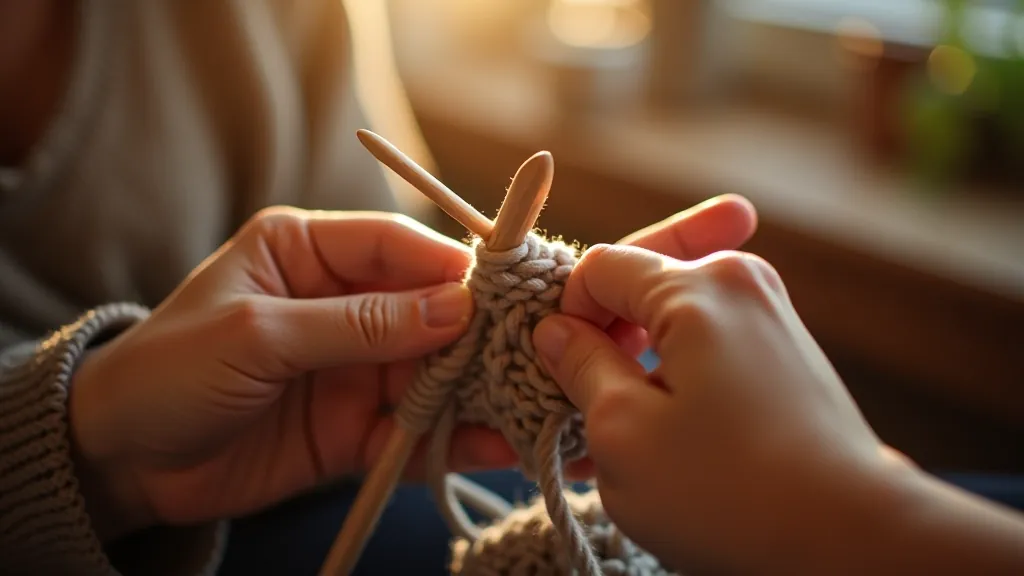
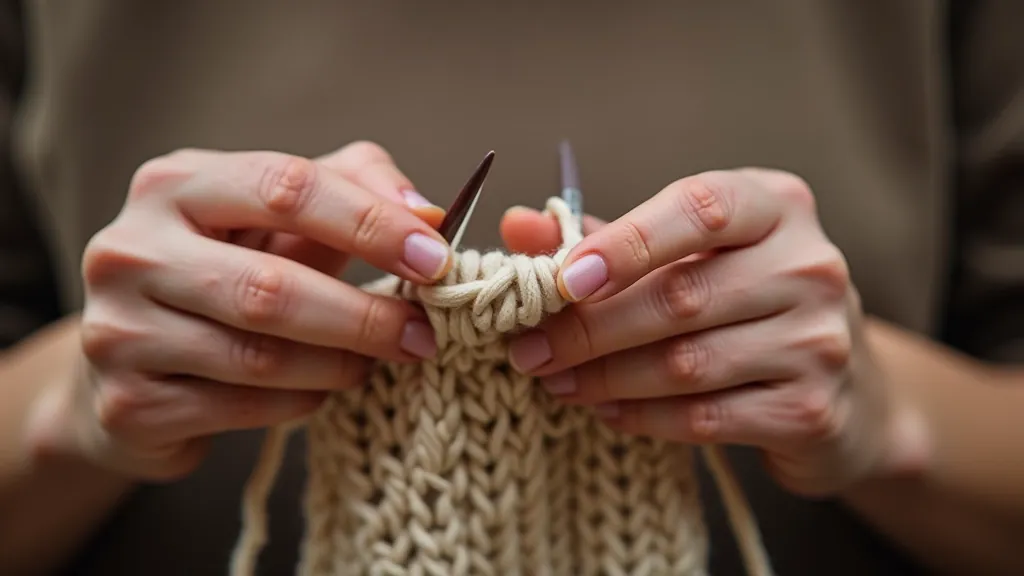
Garter stitch is knitting every row the same way — it's literally the easiest pattern that exists. Each row looks like a bumpy ridge. It's textured, it's forgiving, and it's what you're making your entire scarf from.
The rhythm becomes: knit one stitch, move to the next, knit one stitch. Repeat about 30-40 times per row. Your hands will ache a bit the first few days — you're using muscles you don't normally use. That passes by day three or four.
The Weekly Rhythm
Plan for 30-45 minutes of knitting per day. That's not a huge time commitment. Most people fit it in while watching something, sitting outside, or just having quiet time at home.
By day 7, you'll have about 30 rows done. By day 14, you're looking at 60-70 rows depending on your speed. For a scarf about 60 inches long, you need roughly 180-200 rows. So yes, two weeks is realistic for your first project.
Things that'll happen: you'll drop a stitch occasionally, you'll accidentally add extra stitches and have to undo a row, you'll get frustrated when your tension isn't consistent. That's completely normal. Every knitter has done this.
Finishing Your Scarf
Once you reach about 60 inches, it's time to cast off. This means securing your last row so it doesn't unravel. You'll knit two stitches, pull the first over the second, knit one more, and repeat. It's the mirror of casting on — methodical and satisfying.
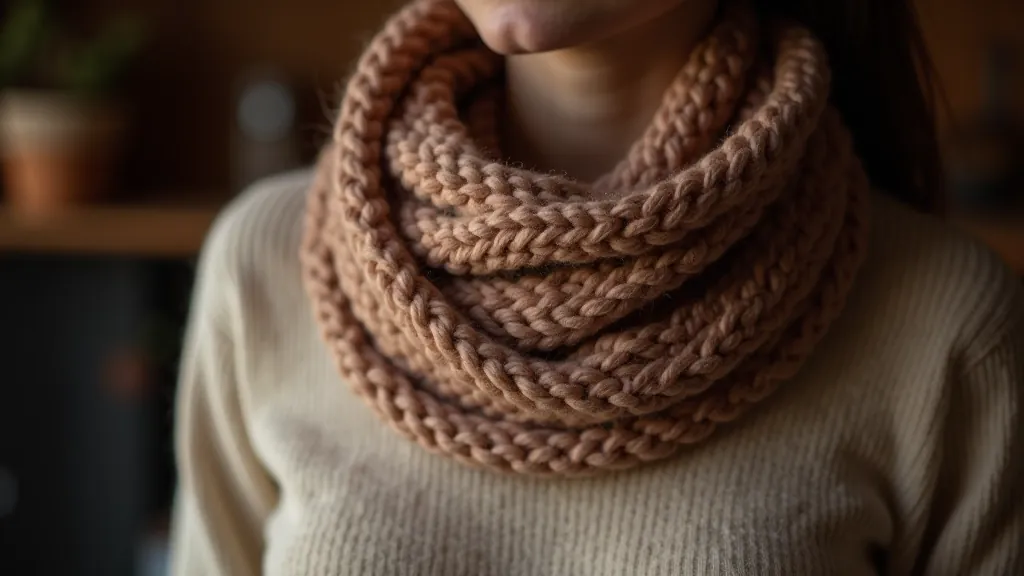
Casting off takes about 20-30 minutes. When you tie off that final yarn end, you'll have something real. Not perfect, maybe not even that polished, but genuinely wearable. And you made it with your own hands.
That's the real victory. Not that it's flawless. It's that you sat down, learned something new, practiced consistently, and created something functional. That's how every knitter starts.
What Actually Helps Along the Way
Use stitch markers
Tiny rings that sit on your needle to mark where patterns begin or end. Even with garter stitch, they help you track your progress.
Keep tension loose
Beginners grip the yarn too tightly, making stitches hard to work. Let your hand relax. Your yarn should flow through your fingers without resistance.
Invest in good yarn
Cheap yarn splits and tangles. Latvian wool is reasonably priced and a pleasure to work with. It's worth the difference.
Take breaks when frustrated
If you drop a stitch and can't fix it, put it down for 20 minutes. You'll solve it faster with fresh eyes.
The Point of Starting Simple
Your first scarf won't be perfect. It might have slight variations in width, inconsistent tension, maybe a dropped stitch you had to fix. But that's your first scarf. You'll look at it and remember the learning curve, the repetitive calm of the rhythm, the moment you figured out how to actually cast off without unraveling everything.
And then you'll want to make another one. Maybe with a pattern next time. Maybe in different colors. That's when you realize you're not just following instructions anymore — you're actually knitting.
Educational Information
This article is educational in nature and describes general knitting practices. Timelines and techniques vary based on individual skill, hand strength, and practice frequency. If you experience pain or repetitive strain while knitting, take breaks and consider consulting a healthcare professional. Always choose materials (needles, yarn) appropriate for your comfort and skill level.