Why Crochet Is Your Gateway to Textile Arts
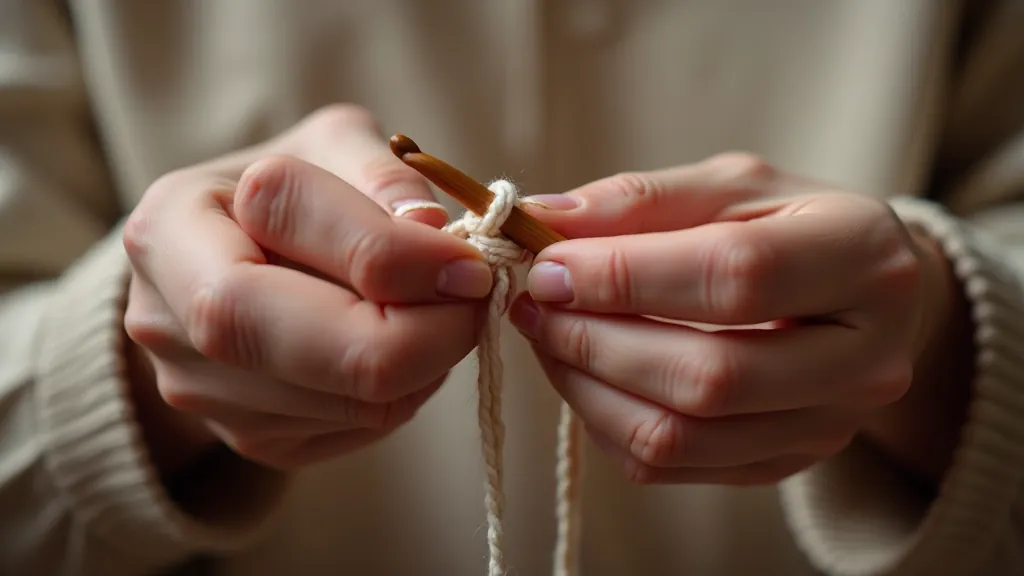
Here's the thing — crochet's easier to pick up than you'd think. You're working with one active loop at a time instead of juggling two needles like in knitting. Dropped a stitch? No panic. It's forgiving enough that you won't unravel your whole project.
Most people get their first chain and single crochet down in one session. Within a couple weeks of casual practice, you're making blankets. That's the beauty of it — the learning curve isn't steep, but you can go deep with it if you want to.
Choosing the Right Hook Size
Hook sizes run from tiny steel 0.6mm hooks for delicate thread work all the way up to 12mm and beyond for chunky yarns. Don't overthink it. Start with something in the middle — a 5mm or 6mm hook works for most beginner yarns.
The hook material matters too. Bamboo hooks are warm in your hand and yarn doesn't slip off as easily — perfect when you're learning. Metal hooks are smoother and faster once you get your tension down. Ergonomic handles on wooden hooks help if you're crocheting for long stretches and your hands get tired.
Pro tip: Yarn label always tells you what hook size to use. Check the label before you buy.
Master the Four Foundation Stitches
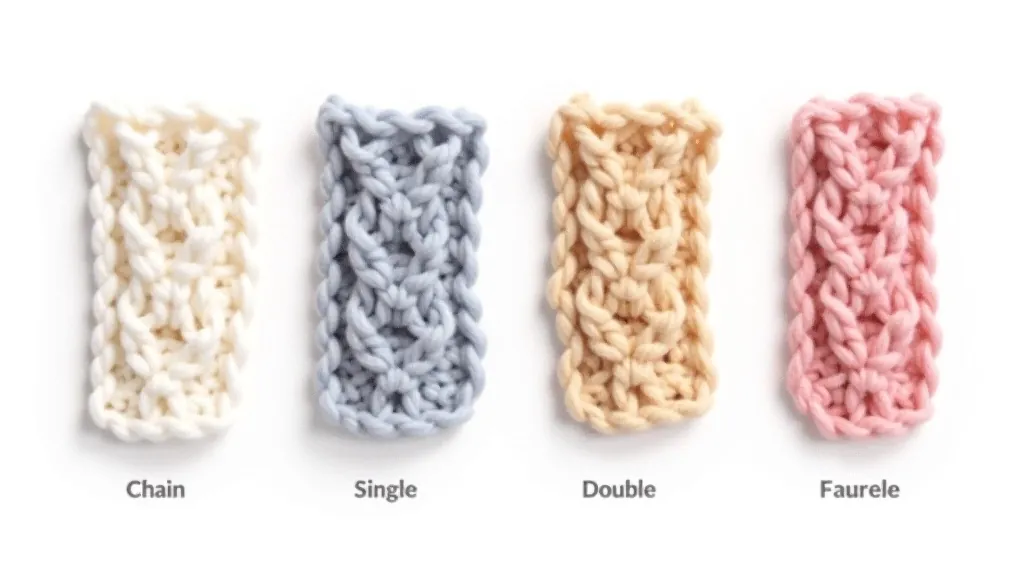
You don't need a hundred stitches to make beautiful things. Four basic stitches cover 90% of beginner projects.
Chain Stitch
Your foundation. Every project starts with a chain. It's just yarn over and pull through repeatedly. Once you've got 50 chains down, you'll do them in your sleep.
Single Crochet
Tight, dense, sturdy. This is your workhorse. Amigurumi (stuffed animals), bags, sturdy dishcloths — all single crochet. Takes about 20 minutes to feel natural.
Half Double Crochet
The middle ground. Less dense than single crochet but faster to work. Good for blankets and garments where you want drape.
Double Crochet
Tall and airy. This stitch goes fast and creates a nice open fabric. Most lacy patterns start here.
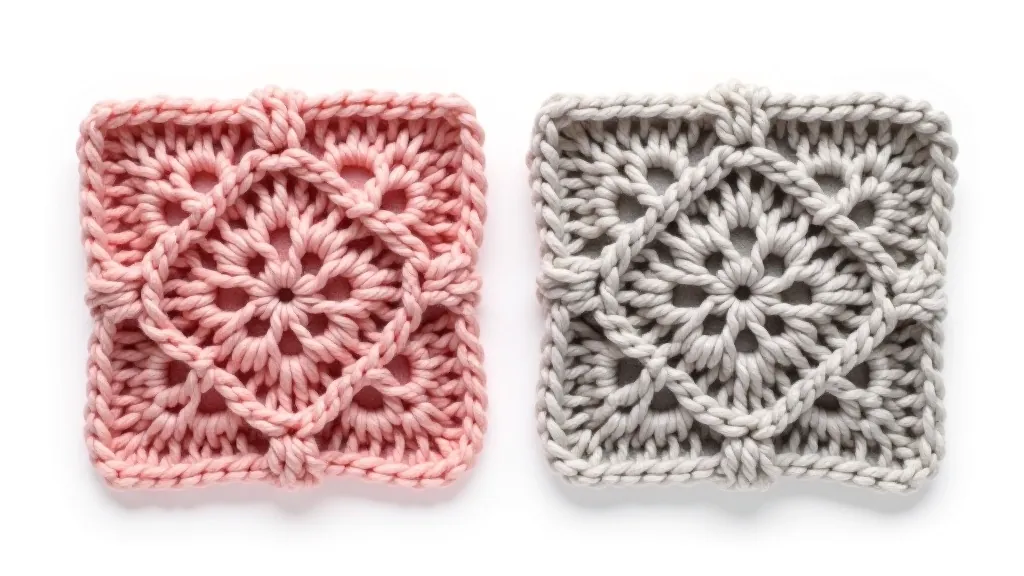
Common Beginner Mistakes (and How to Fix Them)
Tension That's All Over the Place
This is the #1 complaint. Your first row looks normal, by row five you're either making stitches so tight they hurt your hand or so loose they flop around. The fix? Slow down. Yarn tension comes from your fingers, not your hook. Hold yarn the same way every single row. It takes practice but you'll get there.
Counting Chains Wrong
That slipknot doesn't count. Your starting chain does. Most people accidentally add or drop a chain on their foundation. Count twice, crochet once. Mark your 10th chain with a stitch marker so you don't lose count.
Pulling Yarn Too Tight
Tight yarn means tight stitches means your hook barely fits through the loop means your hands hurt. Loosen your grip. Your yarn should flow smoothly through your fingers without tension.
Skipping the First Stitch
That edge stitch is easy to miss. Start each new row by counting from your hook — the loop on your hook is one, the stitch you're working into is two. Write this on a sticky note and tape it to your project if you have to.
Your First Project: Simple Dishcloth
Don't start with a blanket. Don't start with a hat. Start with a dishcloth. Here's why: it's just a rectangle, it uses only single crochet or half double crochet, and if it's wonky nobody cares because it's a dishcloth.
Chain 25
That's your width. Count carefully.
Single Crochet in Second Chain
Work one single crochet in each chain across. That's 24 stitches.
Keep Going
Chain one, turn your work, single crochet in each stitch. Repeat until you've got a rough square (about 25 rows).
Weave in Ends
Cut yarn leaving a 6-inch tail. Thread through your yarn needle and weave through a few stitches to secure.
That's it. You've made something functional. You've practiced tension control, stitch counting, and finishing. You're officially a crocheter.
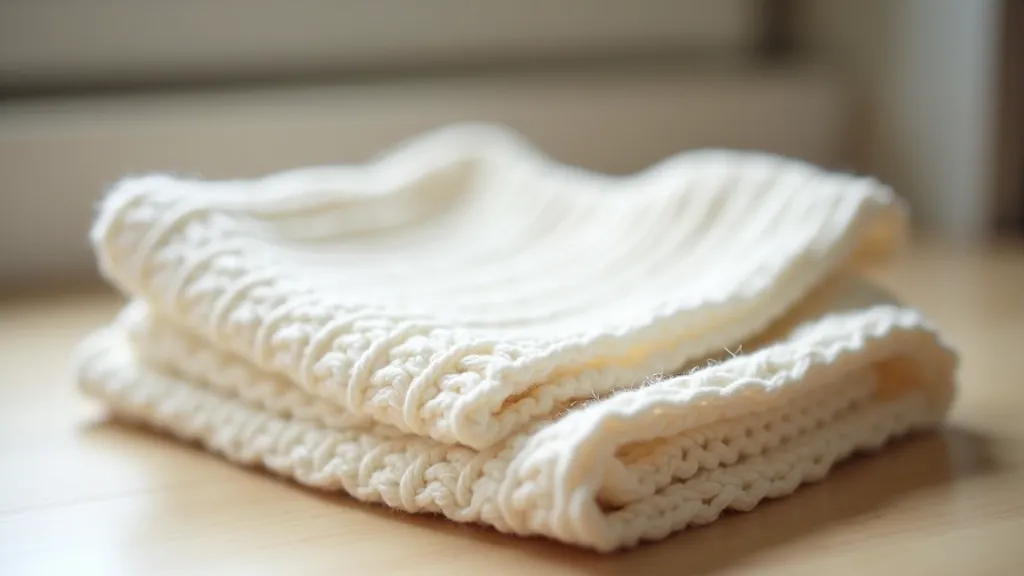
You're Ready to Start
Crochet isn't complicated. It's one hook, one loop, one stitch at a time. Yes, your first attempts will be imperfect. The tension will be weird, edges might be wavy, you'll drop stitches. Everyone does. That's not failure — that's learning.
The best part? Once you've got the basic four stitches down, you can make literally anything. Blankets, scarves, bags, toys, garments, home decor. The pattern possibilities are endless but they're all built from the same foundation you're about to learn.
Grab a hook, some yarn, and start your chain. In a few hours you'll have made something with your own hands. That's the magic of crochet.
Educational Note
This guide provides educational information about crochet techniques and fundamentals. Everyone learns at their own pace — some people pick up basic stitches in an afternoon, others take longer. Variations in hand size, yarn type, and personal learning style affect how quickly skills develop. If you're struggling with any technique, practice is more valuable than speed. Many experienced crocheters still adjust their approach based on the specific project or yarn they're working with.