
What Are Cimdu Raksti?
Cimdu raksti—Latvian mitten patterns—aren't just decoration. They're a visual language that's been passed down for centuries, encoding stories about protection, prosperity, love, and identity. When you look at a pair of traditional mittens from Kurzeme or Latgale, you're looking at a coded message. The patterns differ by region. The symbols change meaning depending on where they're placed. It's genuinely fascinating once you start understanding the grammar.
The tradition goes back hundreds of years. Women would knit mittens for family members, for weddings, for protection against harsh winters. But the patterns weren't random—they were intentional, meaningful, chosen with care. Each symbol carried weight. Some patterns brought luck. Others protected against evil. Some celebrated specific occasions or relationships.
The Basic Symbols and Their Meanings
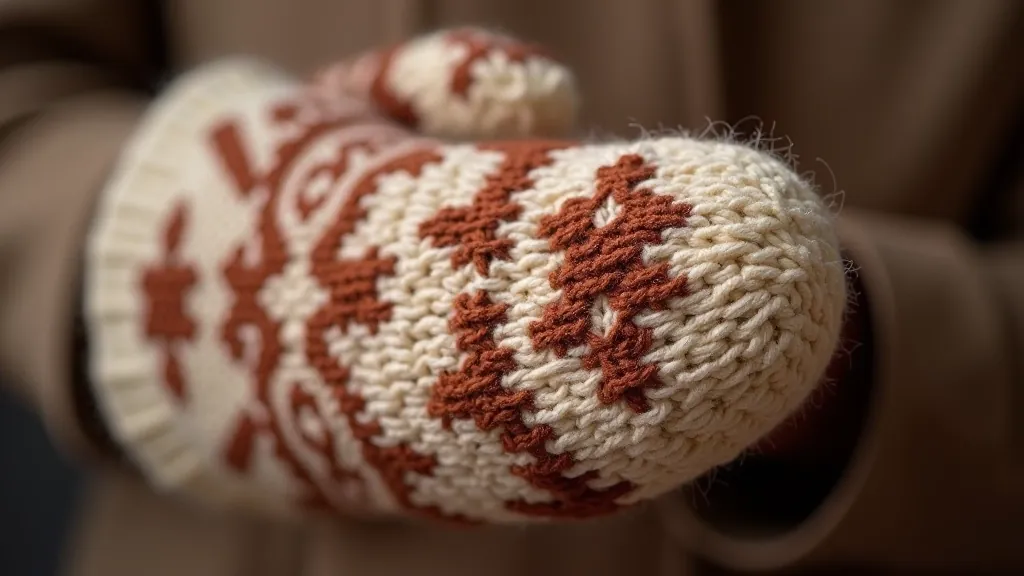
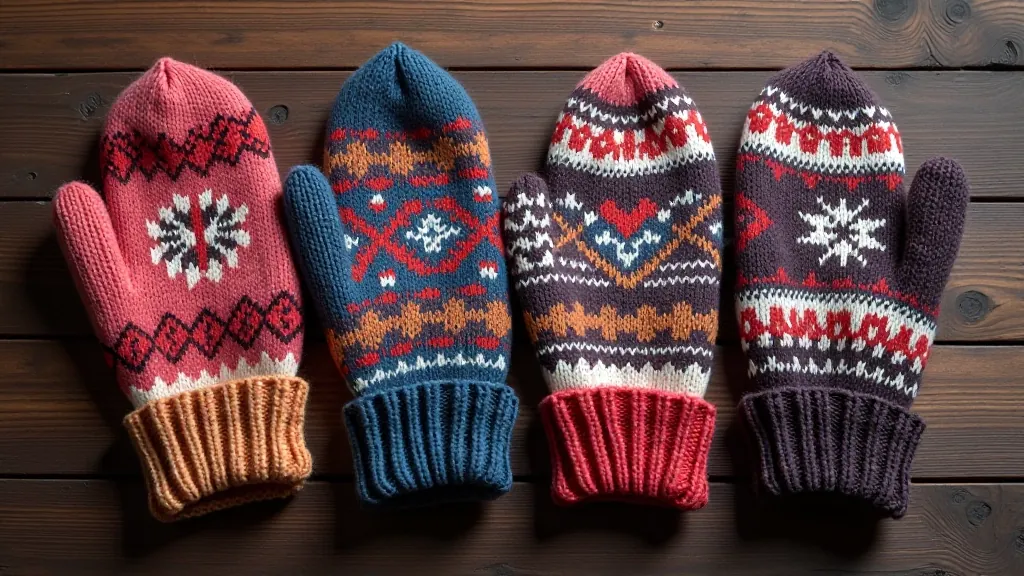
You'll notice certain shapes appearing again and again: stars, crosses, diamonds, zigzags. Each one has meaning. The eight-pointed star—often called the Latvian star or auseklīte—represents light, hope, and guidance. You'll find it on mittens meant for travelers or on wedding mittens, where it symbolizes the light of a new life together.
Crosses appear frequently too. They're protective symbols, marking sacred spaces in the pattern. Diamonds often represent fertility and abundance—you'll see them on mittens made for young women or newlyweds. Zigzags and wavy lines? Those represent water, which brings both nourishment and danger in Latvia's landscape. They appear on mittens meant to protect against drowning.
The pattern density matters as well. Tight, densely packed patterns create warmth—both literally and symbolically. Sparse patterns with lots of background show status and skill; only experienced knitters could achieve that balance. So what you're looking at is skill, resources, time, and intention all woven together.
Regional Variations Matter
This is where it gets interesting. A pattern from Kurzeme (western Latvia) looks different from one from Latgale (eastern Latvia). The colors differ. The symbol arrangements differ. The density differs. You can actually identify where a pair of mittens comes from by studying the pattern—almost like a fingerprint.
In Kurzeme, patterns tend toward more open designs with larger symbols. They used colors like deep red, brown, and cream. In Latgale, patterns are denser, tighter, more intricate. They favored reds and blacks. Vidzeme (central Latvia) has its own style too—geometric precision, careful balance. Zemgale mittens? They're known for bold, striking patterns that you can spot from across a room.
These regional differences aren't accidents. They reflect local materials, local preferences, local stories. Sheep that grew different colored wool. Dye plants that grew better in certain regions. Cultural traditions that got passed from grandmother to granddaughter within specific families and communities.
Reading the Narrative in the Cuff and Palm
Different parts of the mitten carry different messages. The cuff—the section around your wrist—often tells you the occasion or purpose. Wedding mittens have celebratory patterns. Mittens for protection (say, for a child starting school) have guardian symbols. The palm and back of the hand? That's where the main design lives, the one people see.
The fingers are interesting too. Sometimes they're solid colored—pure warmth and protection. Sometimes they're patterned, which requires incredible skill and creates stunning visual impact. The thumb often gets special treatment. It's positioned where it can't be hidden, so patterns there are usually bold, personal choices that say something about the wearer's personality or status.
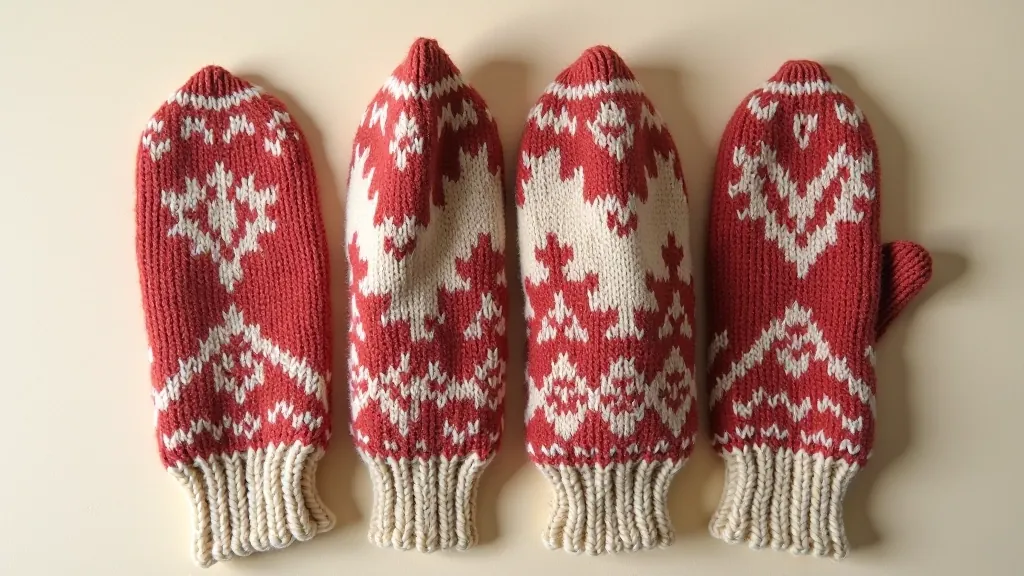
Color placement tells stories as well. Where the darker shades concentrate versus where lighter shades appear creates balance and emphasis. A mitten that's dark on the back of the hand but light on the palm? That's intentional. It changes how light reflects. It creates visual movement. Everything's deliberate.

Why These Patterns Still Matter Today
You might wonder: aren't these just old patterns? Why should anyone care about mittens from a hundred years ago? The answer is that cimdu raksti represent something irreplaceable—a complete visual vocabulary that developed over centuries without written documentation. These patterns encode information about values, beliefs, regional identity, and craftsmanship skill.
When you learn to read these patterns, you're not just studying textile design. You're learning about Latvian history, about how people thought, what they valued, how they communicated without words. That's genuinely powerful. And it's disappearing. Fewer young people are learning these patterns. Fewer mittens are being made the traditional way. If this knowledge vanishes, something unique to Latvia vanishes with it.
That's why workshops in Sigulda and Cēsis matter so much. That's why people are documenting these patterns, photographing them, teaching them to new generations. Because cimdu raksti aren't just pretty—they're a record of who Latvian people were and what they believed mattered.
Starting Your Own Pattern Journey
If you're interested in learning cimdu raksti, start by looking at actual mittens—either museum collections online or, better yet, traditional mittens from local craftspeople. Study the patterns. Notice how they're organized. Look at how color creates contrast and movement. Sketch patterns you like. Try to identify which region they might come from based on style.
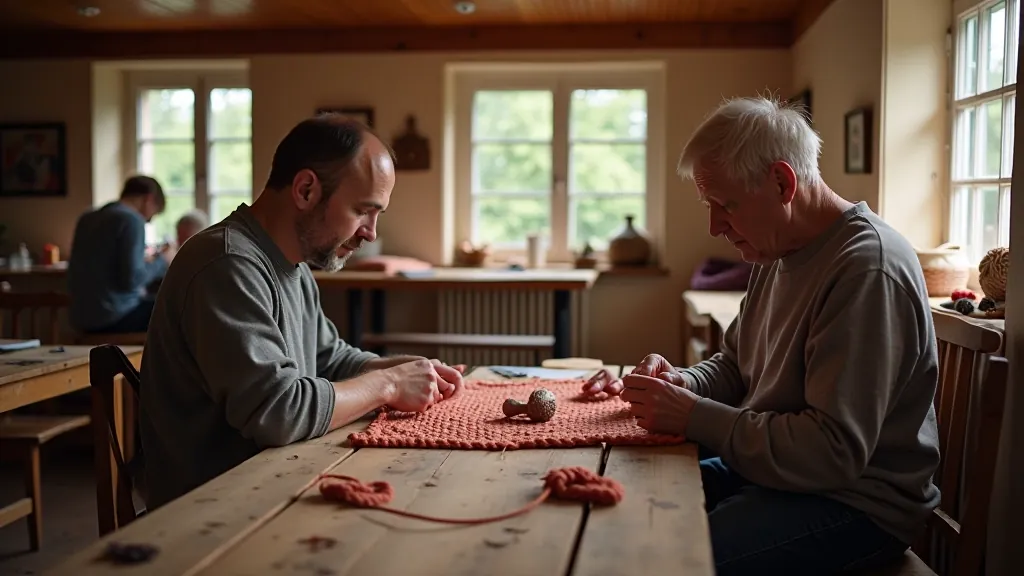
Then, if you want to go deeper, consider taking a workshop. You don't need to be an advanced knitter. Most educators will teach you the basics of both knitting and pattern reading together. You'll learn not just how to make the patterns, but why they exist, what they mean, and how to adapt them for your own work.
The beauty of cimdu raksti is that they're a living tradition. They're not frozen in museums. They're something you can learn, make, wear, and pass on. Every pair of mittens you create with these patterns continues the story forward.
Educational Note: The information about cimdu raksti patterns and their symbolism is based on traditional Latvian textile heritage and regional variations documented by craft historians and cultural organizations. Pattern meanings and regional characteristics can vary within families and communities. For authoritative research or formal study, we recommend consulting with textile heritage educators, museums like the Latvian National Museum of Art, or documented pattern archives maintained by cultural institutions.